

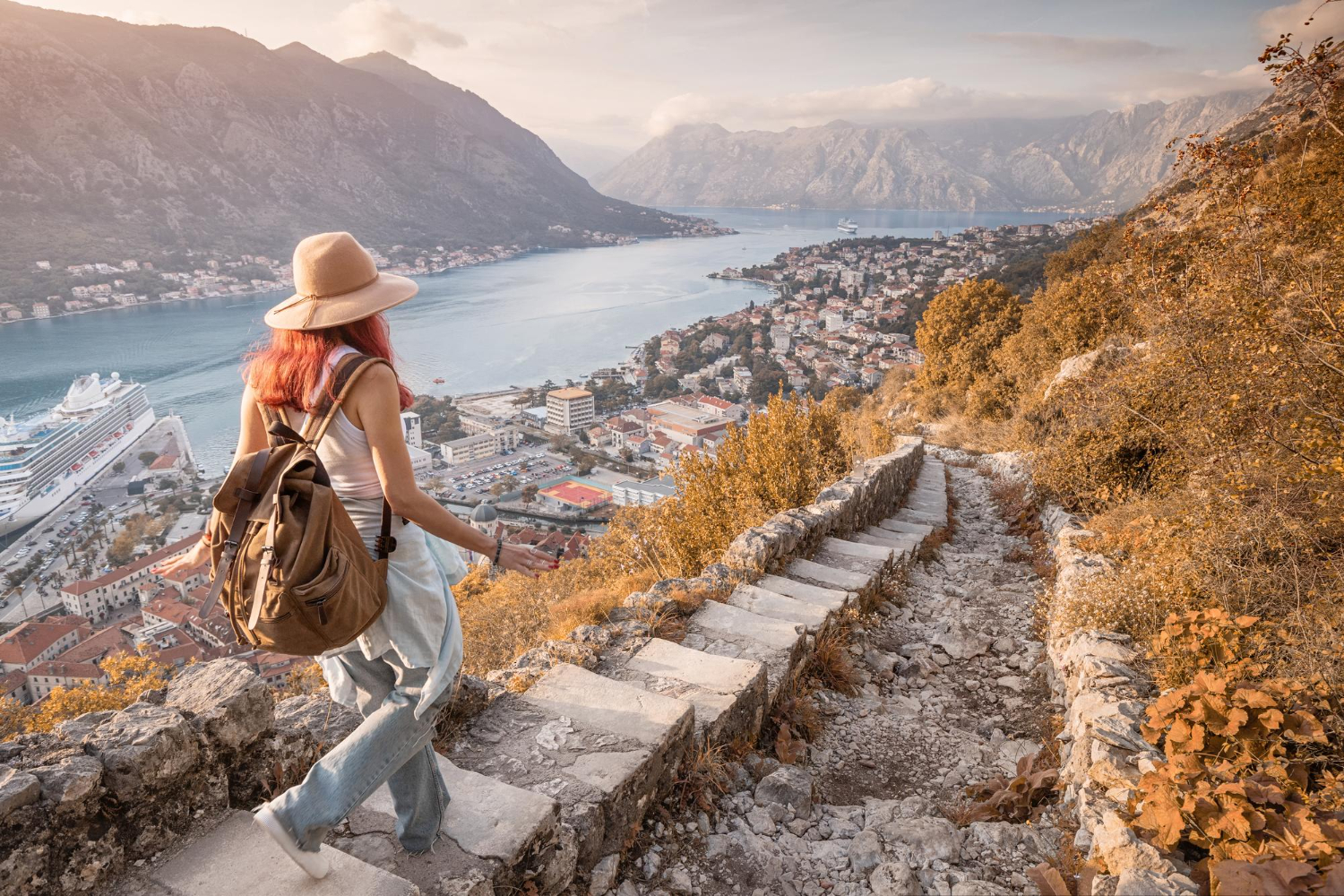
The most visited places in the world are visited for good reasons. But the experience of standing in a crowd waiting to photograph something you’ve already seen a thousand times online is a particular kind of disappointment — not because the place isn’t beautiful, but because the conditions for actually experiencing it have been crowded out by the infrastructure of mass tourism. The alternative isn’t obscurity for its own sake. It’s finding places where the ratio of experience to effort is still strongly in the traveler’s favor. Those places exist on every continent, and they tend to share certain characteristics.
Georgia — the country, not the state — has been quietly accumulating serious admirers for the better part of a decade. The capital, Tbilisi, has an architectural character unlike anywhere in Europe or Asia, belonging fully to neither and borrowing selectively from both. The food culture is exceptional, the wine tradition is among the oldest in the world, and the mountain regions offer scenery that competes with the Alps at a fraction of the cost and crowd density. Visitor numbers are rising, but the infrastructure of overtourism hasn’t followed. For now, it remains a place where genuine discovery is still possible within a short flight of most of Europe.
North Macedonia doesn’t register on most travelers’ radars, which is precisely what makes it worth considering. Ohrid, a lakeside town in the country’s southwest, has a density of medieval architecture, clear water, and unhurried pace that would attract enormous crowds if it were located in Western Europe. The food is excellent, the accommodation affordable, and the hiking in the surrounding national park genuinely world-class. The country is small enough to cover meaningfully in a week, which makes it ideal for the kind of short trip format that fits around a working schedule without requiring a major commitment of time.
Oman occupies a different category entirely — not undiscovered, but consistently underestimated relative to its neighbors. Where other Gulf destinations have built tourism on spectacle and retail, Oman has left its landscape largely intact. The Wahiba Sands, the fjord-like waters of the Musandam peninsula, the ancient falaj irrigation systems of the interior — these are experiences that require no manufactured context to be extraordinary. The country is also among the safest destinations in the region for independent travel, with infrastructure that is reliable without being sterile. Travelers who go tend to return with the specific enthusiasm of people who found something better than they expected.